
Season 3 · 4 June 2026
The Boy the System Wrote Off | Cordell Jeffers' Incredible Journey
The system wrote Cordell Jeffers off before he had a chance.
From one of Birmingham's most deprived communities, Cordell Jeffers became an award-winning speaker, entrepreneur and changemaker recognised by King Charles, and he joins host and producer Aleksandra King on The BEYOND Podcast to unpack the mindset shifts that made it possible.
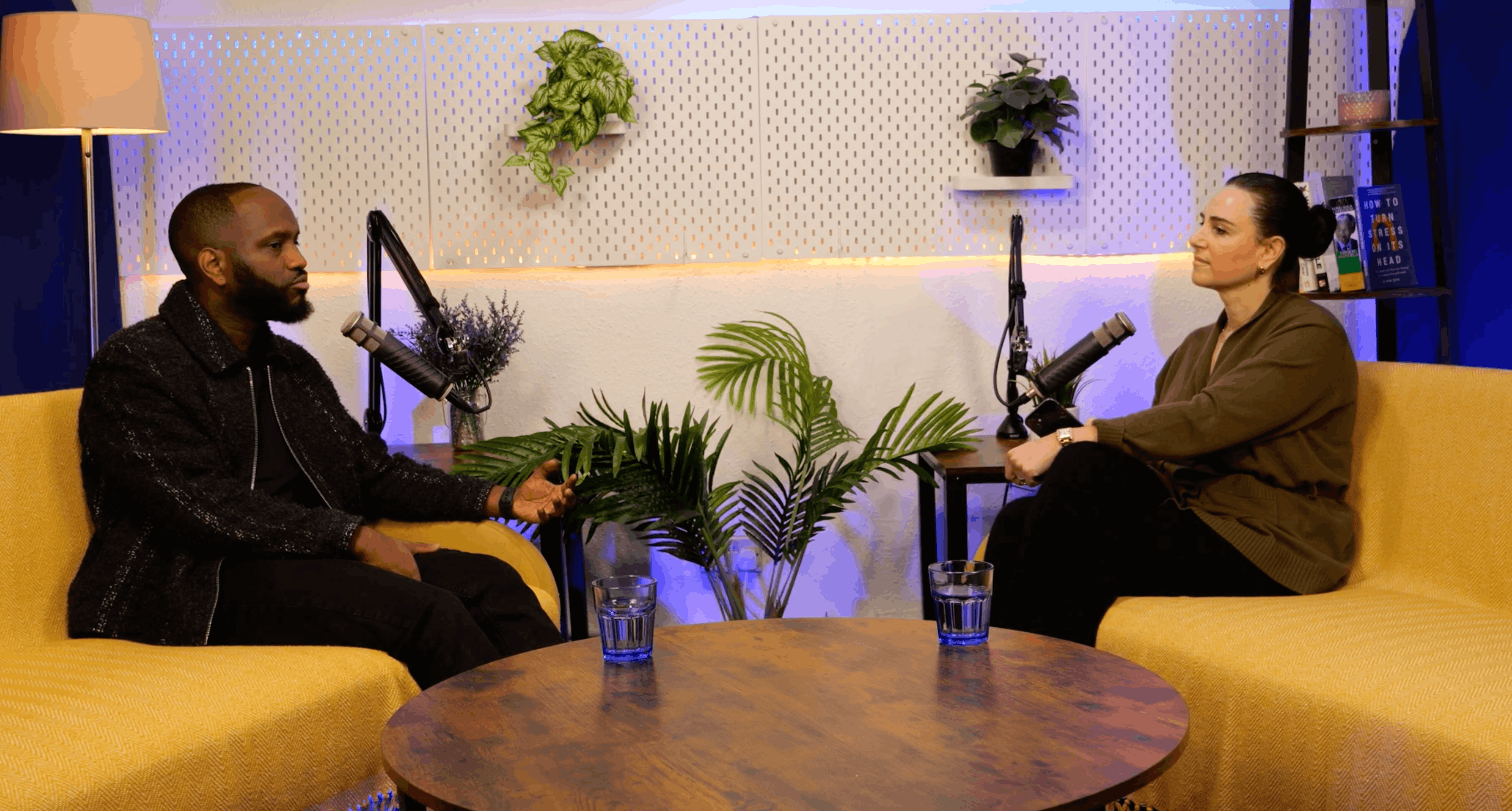
Episode summary
Cordell opens up about his childhood, being misunderstood at school, growing up around adversity, and the mindset shifts that allowed him to completely change the trajectory of his life. Together he and Aleksandra explore identity, purpose, education, resilience, sales, leadership and personal responsibility, and why some of the qualities labelled as weaknesses in childhood can become our greatest strengths in adulthood.
The conversation traces his journey in full: permanent exclusion from school and the decision that sent him to the Caribbean, where hard discipline and a new environment reframed everything; the return to the UK, gang temptations and a reading breakthrough; door-to-door sales and surviving a masked home invasion; dropping out of university; and the heartbreaking loss of his mother to COVID-19.
It ends at St James's Palace, meeting King Charles, and with the universal law Cordell says got him through the hardest of it: polarity, the idea that everything is dual in nature, and that pain can be turned into purpose.
“How is this serving me? Why has this happened?”– Cordell Jeffers on the questions that turned pain into purpose
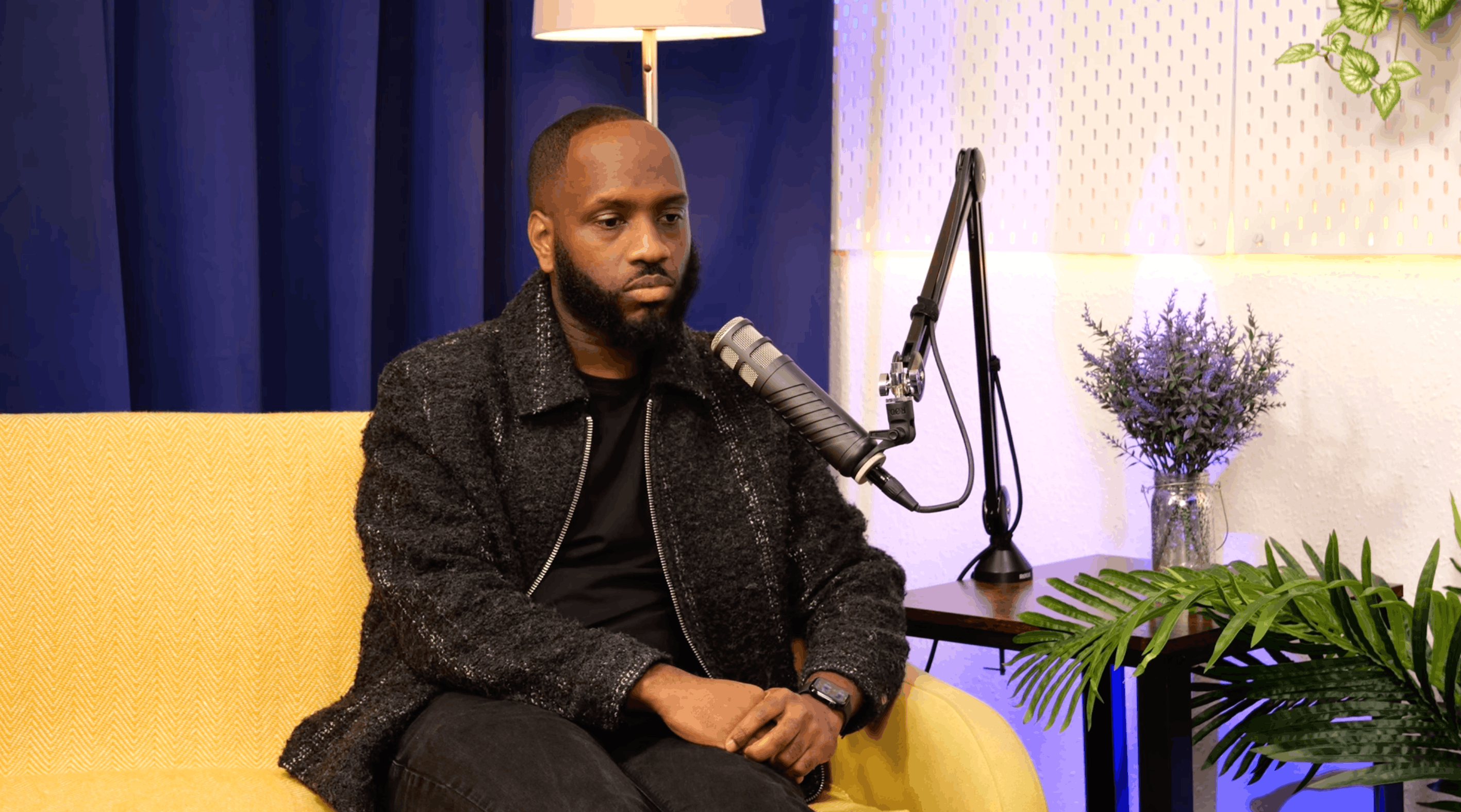
Key takeaways
- The traditional education system does not work for everyone, and Cordell was himself misunderstood at school.
- Toxic environments carry real dangers, and it is possible to take ownership of your future.
- Communication and sales are life-changing skills.
- Encouraging children's natural interests matters, because qualities labelled as weaknesses in childhood can become our greatest strengths in adulthood.
- Adversity can be turned into purpose, and confidence and self-belief can be built.
Key chapters
| Chapter | Timestamp |
|---|---|
| Introduction, and turning pain into purpose | 00:00 |
| Childhood in Birmingham, and a single mum's resilience | 06:10 |
| School system struggles, dyslexia and teacher friction | 15:20 |
| Permanent exclusion, and the Caribbean solution | 23:40 |
| Hard discipline, humbled realities and the power of environment | 32:00 |
| Returning to the UK, gang temptations and a reading breakthrough | 41:15 |
| Door-to-door sales, and a masked home invasion | 51:00 |
| University disconnect, and dropping out | 1:00:00 |
| Reframing “naughty” traits into future leaders | 1:07:30 |
| Heartbreaking tragedy: losing his mum | 1:16:15 |
| The universal law of polarity, and generational grief | 1:25:30 |
| St James's Palace: meeting King Charles | 1:31:35 |
The guest
Cordell Jeffers is an award-winning speaker, entrepreneur, youth advocate and changemaker. He grew up in one of Birmingham's most deprived communities, has inspired thousands of young people across the UK, and his contribution to society has been recognised by King Charles. His full background is on his guest profile.
Where to listen
Transcript
Read the full episode transcript
Cold open
00:00:00 Aleksandra King: For anyone who doesn't know, why should they listen to this podcast?
00:00:08 Cordell Jeffers: Because it's a raw story of truth. One night I had a knock on my door, right. My auntie came in and she goes, there's some people outside asking for you. I had a funny feeling when she said that, right. So then I went outside– two guys with balaclavas and masks on–
00:00:25 Aleksandra King: Stop it.
00:00:25 Cordell Jeffers: They're screaming at me, saying like, where's your money? Are these guys going to stab me? Are they going to shoot me? It was a real sign of– you need to separate yourself to elevate yourself. Who's my audience, right? Like, who do I relate to the most? And for me at that time it was young people in school. I decided that's what I was going to do, and I started to build workshops and motivational assemblies on mindset and purpose and stuff like that, and going to schools and delivered. I've gone from one of the most deprived areas in Birmingham to standing on the stage at St James's Palace, getting an award as an award-winning changemaker from King Charles himself. You know, I had news and newspapers write about me, right. Richard Branson sent me a letter of encouragement. Idris– newspaper– said, you know, an inspiring person that I look at these days is called Cordell Jeffers– like, from Idris Elba. Lionel Richie interviewed me– like, come on. In the words of Conor Benn– put that in your pipe and smoke it.
00:01:22 Aleksandra King: You've built yourself back up. You are an inspiration to others, and keep doing the work, because we need it.
Interview
00:01:30 Aleksandra King: Okay, Cordell– welcome.
00:01:34 Cordell Jeffers: Thank you for having me here.
00:01:36 Aleksandra King: For anyone who doesn't know, why should they listen to this podcast?
00:01:46 Cordell Jeffers: People should listen to this podcast because it's a raw story of truth. A raw story of somebody that's turned hardship and pain into purpose, somebody that's turned their purpose into a mission, and somebody that wants to help the world– help serve. Help serve in terms of helping people find their true self, their true identity, their purpose, and how can they then use that purpose to serve other people. And most importantly, as a public speaking coach and an inspirational speaker, I love to help people understand what their stories are, to share them as well. So this is going to be a raw story– there's no filters here. Like, we try to talk as real as possible, and yeah.
00:02:36 Aleksandra King: That's why– this is the thing– you are the real deal. So you haven't had it easy. You've had to graft and scrape and scratch and fight your way through.
00:02:48 Cordell Jeffers: Yeah.
00:02:49 Aleksandra King: And you've come through so much, so that you're then hanging out with King Charles. We can say that– we can literally say that. That is mega success.
00:03:00 Cordell Jeffers: Yeah, yeah, thank you. Yeah– been awarded by the King of England, King Charles. Rubbed shoulders with many, you know, what people would call celebrities, famous people. Being co-signed, you know, by people like Idris Elba, you know, Richard Branson. And yeah, so I've done some great things.
00:03:21 Aleksandra King: You've done some great things. You've helped lots and lots of people. So that's the thing– you're not just hanging out with them for no reason.
00:03:27 Cordell Jeffers: Yeah, I know, of course.
00:03:28 Aleksandra King: It's through your work.
00:03:30 Cordell Jeffers: Yeah, it's through my work. It's through sharing my story and sharing my adversities and just being a real person, right. Like, I feel like in this world, especially with social media, people try to put a mask on, right, because we want to show perfection, we want to show our best self.
00:03:45 Aleksandra King: Yeah.
00:03:46 Cordell Jeffers: But when you share your truth, when you share the vulnerable parts of you, those emotional scars– but when you can show people how you've overcome that, and how you've been able to overcome and use that as a driving force for your own life– when you can share that, you know, people will come.
00:04:05 Aleksandra King: It's tough, though.
00:04:05 Cordell Jeffers: Yeah, no, it is– it's tough.
00:04:07 Aleksandra King: No, it is.
00:04:07 Cordell Jeffers: It's definitely tough, but I always say, right– your vibe will create your tribe, right. And you just need to be able to share– just share your truth, right. Don't try to fit in with everyone else, don't try to polish everything, don't try to make your Instagram or your personal brand look so polished, right, because actually that creates a disconnect from the real people, right. People want to see where you're at, and in order to connect with people you have to meet them where they are, right. So show people that you was either just like them, or you are where they are, and let them come on that journey with you. And that's what I've done as a speaker, as someone that's been building my journey. I'm not perfect, you know– I'm still not where I dreamed to be, but I'm building every single day, and I share that, and I share my hardships with people. And I've been able to create a community and create some amazing opportunities for myself, to the point where I've gone from one of the most deprived areas in Birmingham to standing on the stage at St James's Palace, getting an award as an award-winning changemaker from King Charles himself, right. So just be real.
00:05:09 Aleksandra King: I detect the northern accent, so we're going to go into that. But yeah, you know, on the podcast we've got all kinds of people, and you know, lots of them have got great success and things, and I do want to tap into the mindset and go, well, how did you– what did you do, how did you do this? And I want to hear from people that have done stuff and moved the dial for themselves, you know– that they've taken control of their life, which might not have been in control, and made a difference for themselves first and foremost. Because you had to do that– you had to actively work on yourself to come out of that. And the podcast is about everyone learning that they can take control of their life and they can do something about it. We don't have to stay in that position– we have the power over our own destinies. We're the authors of our own books.
00:06:03 Cordell Jeffers: Yes.
00:06:03 Aleksandra King: And we can do it, right? We're going to step into your story. Okay, all right, let's go back. You're a baby– where are you born?
00:06:12 Cordell Jeffers: So I was born in Birmingham.
00:06:15 Aleksandra King: Born in Birmingham.
00:06:18 Cordell Jeffers: Which is, again, amazing place, very diverse, right. You've got every single culture, every single nationality. And you know, school was good in terms of– where was I living? So I was living at home. Single mom– was a single parent to a certain point, right. So my dad and my mom– were they together? Bit of a situation. You know, if you can read between the lines–
00:06:50 Aleksandra King: Reading between the lines, it might not have been– so there was a situation. When the situation occurred, how old were you?
00:06:56 Cordell Jeffers: Situation– so I was born into this situation.
00:06:58 Aleksandra King: Oh, you were born into–
00:06:59 Cordell Jeffers: Where my mom and dad, you know, they might have not been– should have been doing what they were doing, right. They might not should have had that relationship that they was having, right. But my dad was there for like the first, you know, seven years of my life. He had to leave when I was like seven years old, right. He had to leave– he moved to America for some reasons.
00:07:23 Aleksandra King: Did you feel the strain of that relationship at that young age, or wasn't it too bad?
00:07:33 Cordell Jeffers: I was always kind of prepared for it, because my mom always said, listen, like, you know, one day your dad's going to have to go back to America, right. So she kind of prepared before it. However, you can't never really prepare for that, right– you got somebody, such a great connection in your life, and then they leave, right. Obviously back then, when you're a kid you don't really tap into your emotions as much, right, so you don't know what's going on. You might be confused– well, where's Dad now? Why is he gone? You don't really understand it, so you might grieve in different ways, and that might come out– I think that was coming out possibly within behaviour– and not behaviour at the time of seven, eight, nine years old, but in my kind of later years when I went to school, right. So things started to kind of change. Because I remember in primary school hearing about, like, kids in the classroom– their parents who get divorced and things– and you hear that word, divorce, and I was very fearful of it, I remember, as a primary school kid. And whenever I saw my parents argue I'd be thinking, oh no, do not, you know– and I would ask them, are you going to get divorced, are you going to– but that fear, like, you know, I mean, I definitely had that as a kid. No kid wants their parents to break up. That's all you know. And obviously as, you know, a dad and a boy– son, right– like, looked up to my dad a lot. And yeah, it was unfortunate, but it was a situation that had to happen, was going to happen. My mom kind of prepped me for it. It more affected my little brother. I had seven years with my dad, right, like, up until he left. And listen, my dad's still in my life now– like, we phone each other every week, we speak. He still lives in America. He's travelled down once or twice since then. You know, it's not ideal– like, he's not in my life in terms of he's here physically, and he hasn't been since I've been seven, realistically, right. But we still have a close bond, but more through, you know, the technology of your phone and social media and FaceTime. Now, it affected my brother a lot more, because when my dad moved to America, my brother was just born, right. So my mom literally was pregnant as he moved. So he didn't– and when he moved, he didn't even know my mom was going to have another child. So my mom told him the news when he was in America, right. So there was that. So my brother kind of grew up without a dad, basically, you know– he didn't even get to have any of those years, you know.
00:10:11 Aleksandra King: Okay. And I mean, so how's home life? Your dad goes, and so your mom's looking after you two boys.
00:10:19 Cordell Jeffers: Yeah, two boys. Listen, my mom– we've got a good family network. So back then, you know, my granddad was around– obviously he's passed– my granddad, my nan, they were around, so there was a strong family unit. We're very small, very knitted, but very close family, so, you know, that's always good to have. You know, got cousins and stuff like that. But my mom, you know, in the years, she always let me know– listen, this was a situation we was in, Dad's moved on, don't ever, you know, hate him for that, or don't ever–
00:10:53 Aleksandra King: Oh, that's good.
00:10:54 Cordell Jeffers: She always primed me for that, so I never had that– so I always kept a good relationship with my dad. She continued as a single mom and she worked extremely hard. She went to university, she got her degree. Still she worked, you know, two jobs, you know, to provide. My mom was a go-getter. She was someone that had a mission, and she would try to complete it, right. We all have different levels of generations, right. Like, my grandparents came over from the Caribbean– they came on, you know, literally the Windrush. They came on a ship over to the UK, right, got into factory work, built a stable foundation, built a family. And then my mom took it to the next level, where she got into university, and then she got into, like, you know, a good position within the community youth-work sector. And then for me it was just like, okay, how do I push that next level, right? Of course, they might not have been millionaires, but they used what they had and they worked what they had, and then, you know, it's just for me to now take that to the next level. And then, you know, God willing, my daughter, she takes it to another level. So that's how it's kind of worked– my family's came from ground up, right.
00:12:06 Aleksandra King: So you've got a pretty– at this point it's still pretty stable, and your mom's looking after you, and she's working very hard as a single mom. Stable, with these two boys.
00:12:16 Cordell Jeffers: Yeah, yeah– stable in the sense of my mom was stable. She worked hard, and family helped out as well, right. So she was coping. My mom's a very positive person– very, you know, she doesn't let much get her down. So yeah, she worked hard, and it was just the norm now, like– I just had to continue.
00:12:36 Aleksandra King: So why are you hesitating when I say stable?
00:12:38 Cordell Jeffers: To an extent.
00:12:39 Aleksandra King: What's the– to the extent of?
00:12:41 Cordell Jeffers: There was no– I don't come from a background where there was any sort of wealth, any sort of, you know, fancy stuff, you know. Just the basics, the necessities– but they were provided. And most importantly, my mom gave love– tough love, but love, you know. Like, tough love, but definitely a lot of love. And she was always reading, she was always trying to upskill herself with qualifications, so I saw all of that. So getting that in my subconscious as a youngster has obviously helped me now.
00:13:16 Aleksandra King: Do you know what, like– I really like hearing people's backgrounds, and I love hearing about their parents, and especially about their moms. And you know, like, loads of– like I said, lots of really successful and amazing people have sat on this sofa opposite me– I'm very lucky in that way– and you know what, it's always their mom.
00:13:34 Cordell Jeffers: Yeah, it's the moms. You know, massive shout-out to the moms of this world. Massive shout-out to Mom. Massive, massive shout-out.
00:13:40 Aleksandra King: Well, if it's not for the moms we wouldn't be here, would we? The moms are– yeah. And they protect, they protect– they're lionesses. They're good– they look after their young.
00:13:51 Cordell Jeffers: Yeah. And as a boy, that's all you want to do for your mom, right– you just want to protect her, right. So yeah, you know, it's always the moms behind whoever's sitting here– it's the moms that have given them that as a kid, that there's something in their brain.
00:14:05 Aleksandra King: Yeah. And I especially like the stricter moms.
00:14:08 Cordell Jeffers: Yeah, yeah. My mom– my mom came from a strict background, right– like, a Caribbean background. It was strict discipline, all right. My mom worked hard, you know–
00:14:19 Aleksandra King: Yeah, of course.
00:14:20 Cordell Jeffers: My mom, you know, she had discipline as well, so she instilled that into me. Like, we couldn't mess around. Like, my mom– she gives you the look, you know what time it is. You sit down and you just keep quiet, right. You know, she wasn't scared to take the slipper out, right– like, you might get a whack around the ear, right. But it never harmed me– it never harmed me. Like, in this day and age you can't obviously do those things, right.
00:14:41 Aleksandra King: So up till that– so primary school, you know, your dad goes, you're seven– that's really sad, and you feel it, you can feel that loss. And then your mom's doing this, and she's working, and you're getting older. Take us through to high school.
00:14:55 Cordell Jeffers: Yeah, yeah. So in that time, the reason why I was able to kind of get through that as well– because I was modelling my mom, right. Well, people always say model success, right. So I was modelling what my mom was doing, in terms of she was staying resilient. I know how much my mom and my dad were close, and obviously there was a bit of a separation there– so seeing my mom push through, I just modelled what she was doing. Okay, well, I've got to push through too, right? So okay, that's how we kind of got through that stage. So secondary school now was a different ball game, right.
00:15:25 Aleksandra King: So can we say what school you went to, or just describe it to us, maybe?
00:15:30 Cordell Jeffers: Yeah– it was called The International at the time; it's now called Tile Cross Academy. Again, very diverse school, right. My mom wanted me to go to a– she wanted me to go to a better school, right, but because of the catchment areas and things like that, I wasn't able to get into the one that I tried to get into. And so I went to Tile Cross Academy.
00:15:53 Aleksandra King: So was this more sort of considered rough, or was it more– why wasn't it a better school? What was wrong?
00:15:58 Cordell Jeffers: Just, you know, you've got those kind of grammar-type schools, right. And listen, I probably wasn't at the time smart enough to get into them schools anyway. But I went to this school– Tile Cross Academy. Was it rough? It was a challenge, that's all I can say, yeah– from the get-go. Because you had people from all different areas, from a lot of deprived areas, all going to one school, right, and there was a mix of people– which was good. So, you know, we had every single nationality, which was good, so I was always able to connect with people from different backgrounds. But school for me was a challenge. Now, at the time I didn't realise– I learned a little bit later on in life that I'm dyslexic. So I was already struggling in the domain of trying to catch up in education, and also I was around circles where you mess around, right. You're coming out of classroom– I kind of rebelled against the school system, right, very early on, because I had a teacher– and it's so funny, I was saying this to my friends over there– I had a teacher called Mr Golden. And Mr Golden, if you're watching this, I'm sorry, mate, but Mr Golden was the worst teacher you could be introduced to in school. Like, I actually think he wasn't all there, right. And the reason why I say that is because he used to have outbursts of rage. He used to throw cups across– he would throw cups, like– not– he wouldn't– he would throw them above you so they don't hit you, but it was such a– he ended up getting sacked because he had a fight with one of the students, right. But like, that introduction into secondary school was just– it was awful, right.
00:17:43 Aleksandra King: No, that's not normal.
00:17:44 Cordell Jeffers: Yeah. And plus, so there was that– I struggled. And then I was not in necessarily the right kind of circle of friends.
00:17:52 Aleksandra King: So what circle was it?
00:17:54 Cordell Jeffers: More the cool kids, right. Like, we just kind of– we make up our own rules, right, for the school. So I kind of got into that kind of circle, where it was a little bit more not taking it serious– not taking education serious.
00:18:05 Aleksandra King: So what are you doing at this point?
00:18:07 Cordell Jeffers: So, you know, we're chilling, we're not in class most of the time, we're skipping school–
00:18:12 Aleksandra King: Skipping school.
00:18:15 Cordell Jeffers: Skipping school, you know. My problem more than anything was– teachers just didn't like that I always had an answer.
00:18:23 Aleksandra King: Okay.
00:18:23 Cordell Jeffers: So I had an answer for everything. So I would question– I was cheeky, but I used to question everything more than anything. So, you know, like, if you're telling me two plus two equals four, I just want to know– okay, so where– okay, so how, like, where's the root of that? Just an example. I'm always asking why– how did you learn that, like, where did you get that from? And teachers were just like, that's just how it is. And then I was like, but okay, so you've just read this from a book, right? So I'm just trying to always ask questions.
00:18:51 Aleksandra King: Dangerous territory.
00:18:52 Cordell Jeffers: Yeah, and then it was just like– they was just like, okay, you're disrupting the class, get out, right.
00:18:57 Aleksandra King: But let me just ask– were you deliberately– because, you know, like Niko Omilana and those guys, when they do these videos where they're sitting with– they get these people in a room and they deliberately rage-bait them, and they go, no, the world is flat– and they're doing it as a joke. Are we doing it as a joke, or are we genuinely curious and asking them, like– come on, hey?
00:19:15 Cordell Jeffers: I would do it– I would do it genuinely curiously at first. But teachers get triggered, right– they get triggered. So then it's like, it's my way or the highway, this is it, don't say anything. So then they would get annoyed with me, and then my reaction is rage-baiting, right. And then because I'm quite a good debater at the time– you know, I'm a good debater– but actually what I believe the teacher should have done then is see a skill in me, right. He's inquisitive, he's curious, right– that's what we want. We want curious children, because curious children are the leaders of the world, right. Curiosity is an important mind frame to have– always ask questions, understand the first principle, you know, understand your disciplines. And the teachers, they just see me as somebody that was too mouthy, you know, too chatty– get out the classroom. And it literally wasn't helping me, because then I spent most of my time either in detention or isolation, right, and I just felt suppressed. So then the more that they would do that, the more I would rebel against–
00:20:16 Aleksandra King: Vicious circle. Because the teachers also, you know, they get together– you know, I've heard about the insights with teachers– and they sort of get together in their teacher room, and they're having their tea or the biscuits, and they talk about it, and they go, that kid is doing this and that. And then you get that, like, stamp.
00:20:29 Cordell Jeffers: Yeah, exactly. And then it's like, they watch you. So even if you didn't mean anything, because they think you're like that, they're going to interpret it–
00:20:36 Aleksandra King: That's it.
00:20:36 Cordell Jeffers: Right. And it's funny, because I used to get kicked out of school for talking– now I get paid a lot of money to talk, right. So it's crazy. But this is what I'm saying– when you see skills in young people, instead of suppressing them, nurture them, right. Don't kick me out the class because you think I'm the one that's, you know, the ringleader of the class, or disrupting– see me as someone that could be influential, so get me on side and give me some more responsibility so I can lead my peers and lead the class, right. But they're not thinking like that. They're just– okay, we need to just remove you. And that's not the answer. Like, you've got to nurture this skill.
00:21:13 Aleksandra King: Gosh, the teacher– so important.
00:21:14 Cordell Jeffers: Yeah. Like, if I'm talking, or, you know, I'm debating– like, can't you see– okay, there's a future lawyer there, there's a future politician, there's a speaker within this child. Like, let's nurture that. He's curious– he might be expressing it in the wrong way, but we can definitely nurture this into talent. But to be fair, with the school system and the teachers that are there, they're under pressure, right. They just care about results– it's just like, we got to get results, Ofsted and all these things, right. So that's their focus. But it would be good if teachers could have that time to nurture children, because there's so many young children and talented kids inside the classroom that might have disabilities, like being dyslexic or whatever it may be– but that's their superpower. Can we nurture it? Can we help these guys become future leaders? And I just don't think school gives the teachers the time to want to do that.
00:22:06 Aleksandra King: Yeah, they are under a lot of pressure, and it is– it's tough. And some schools are better than others, and some schools are lucky enough to have these amazing teachers that seek out these kids and help them. But it's– yeah, it's tough. So you basically got, like, in a spiral, and you got sucked into this thing, and you didn't like school, and you were fighting the school, and the school was fighting you.
00:22:30 Cordell Jeffers: Yeah, I ended up rebelling against the school system. And then, okay, eventually– yeah, I'll never forget– I got called to my head teacher's office, right. His name was Mr Golden. And I was thinking, okay, what am I in trouble for again?
00:22:44 Aleksandra King: Before you tell me– what was the straw that broke the camel's back?
00:22:48 Cordell Jeffers: For me it– it was loads of little things over years that just– you know, this–
00:22:58 Aleksandra King: So a teacher probably complained, and just–
00:23:00 Cordell Jeffers: Yeah, teachers were complaining– like, they're fed up with me, right. And you know, they probably could see some potential in me, but I'm rebelling against the system, because this system, this hat that they was trying to fit on me, did not fit, right. And I knew that, and I was fighting against it. And then obviously I'm dyslexic as well, so I was struggling also, right. So after loads of, you know, messing around– like, in terms of fights and getting kicked out of classrooms and being cheeky, and all these little things– detentions, isolations– I think it came to a point where they was like, okay, enough is enough. So I got called to the head teacher's office– Mr Golden.
00:23:41 Aleksandra King: Oh no.
00:23:42 Cordell Jeffers: And I'm sitting down– he had a nice big wooden table, he had all, like, you know, awards for the school or plaques behind him.
00:23:50 Aleksandra King: Yeah.
00:23:50 Cordell Jeffers: And I never forget– it was a cold early December, and I'm in the office– the office is freezing, it's freezing cold, literally. He always had it cold, I don't know why– I think it was cold-blooded, right. Literally you could breathe out the condensation, right. And he sat me down, and he goes, Cordell, I want you to open this letter in front of me. And he passed the letter across the table, right. And I've opened the letter, I'm thinking, okay, what's this– another, like, you know, suspension? Because I would always get suspended from school as well– like, two weeks, one week, yeah. And I opened it, and this time, in big bold letters across the top, it said permanent exclusion. And you know, in that moment I thought, bloody hell. Like, I kind of had it– like, whatever– but I was quite scared of what my mom was going to say, right. That was the number one. Now listen, I'll be honest with you– my mom, in school, she tried her hardest to defend me, until it got a bit too bad. Like, she would defend me– she was like, you're not kicking my kid out of school, I'm going to get lawyers. Like, she was that kind of mom. Like, she would be like, my son's this– like, she loved me, right. But she got to a point where she was just like, Cordell– you're taking the mick– and you're embarrassing me, because I'm trying to fight your case, but you know, there's only so much I can do–
00:25:08 Aleksandra King: There's only so much you can do.
00:25:09 Cordell Jeffers: So I got permanently excluded. And I never forget– what am I going to say to my mom? What am I going to say to my mom? And Mr– he said, sorry, Cordell, you've been permanently excluded. We cannot have your behaviour and the way you're acting in our school system no longer. He goes, we can try sort you a managed move, or look for other schools for you, but within this school system, you know, there's no more chances for you, right.
00:25:34 Aleksandra King: Oh God.
00:25:36 Cordell Jeffers: And I thought– you know, I had a tear in my eye. Because I was like– well, I didn't know whether that tear was coming from him, because he had bad breath, like– I'll be honest with you– he was literally breathing in my face– I never forget– just had the permanent coffee breath all the time, right. But also I'm thinking, oh my gosh– my mom, right. That's all I'm thinking– what am I going to tell her? She's been working so hard– two jobs, going to uni– always saying, Cordell, make sure– education– you get your education, please, please do it, right. So I felt– yeah–
00:26:08 Aleksandra King: Embarrassment.
00:26:09 Cordell Jeffers: I felt a sense of duty to get it, but a sense of embarrassment to my mom, and a sense of failure that I'm going to let her down, right. And that was when it all came to, like– okay, Cordell, something has to change. So I'll never forget, on that day, on that school bus going home– and I've got home, and listen, I was thinking they might have told my mom before I've even got there, so I had to step a bit different, right. Don't forget, my mom, she was strict, right– she was small, but honestly she was very strict, right. And if she pulls out that slipper, you know what time it is, right. And I never forget– I've opened up the door, I've gone into the hallway, I've looked left, I've looked up the stairs, trying to figure out where she is, and then I could hear that she was in the living room, right.
00:26:50 Aleksandra King: Gosh, I'm scared for you. I'm scared for you.
00:26:52 Cordell Jeffers: So I thought, let me just try and run upstairs, go to my room, right. So I tried to run up the stairs, and then I hear– Cordell, can you please come down here, please, son. So I've gone downstairs, and then she goes– Cordell– she was sitting down on the sofa– she goes, do you have anything to tell me? And I said, no, I don't. I said– yeah– I said, you know, the sun's shining a little bit outside, have you seen the weather? She goes, Cordell, do you have anything to tell me? And then when you could hear that tone of voice– you hear that tonality– and you're like, okay, she's serious now. And I knew she had known at this point. So I said, Mom, I'm sorry. Like, I've let you down. Like, I know how hard you work, I know that education is important thing, and I've been kicked out of school. And she turned around and she gave me the most confusing reaction I've ever had. She smiled at me, and she goes, don't worry, son. Now I'm thinking, is this woman on happy pills or something? Like, what is going on today? Like, what do you mean, don't worry? And she goes, because I've got a better solution for you. I said, okay, what's that? Because normally I'm getting a smack or something, right. So she had this smile on her face, and she goes, I've got a better solution for you. She goes, I'm going to send you to live with your grandparents in the Caribbean.
00:28:10 Aleksandra King: Oh.
00:28:11 Cordell Jeffers: And you're going to go school over there. You've ruined your opportunity here– you're going to go over there and you're going to learn how it's done.
00:28:20 Aleksandra King: The thing is– as a mom, yeah– you're not going to break your child. You know, they've already been– you've read that– you've been excluded. That's a horrible thing to read. It's like, that's us and you're not part of the club– so you've been kicked out. You've got to deal with rejection here, and you're her baby, and she doesn't want you to be rejected. But at the same time she's got to protect you. You're spiralling in a bad situation, and she realised that there was no hope– and they said there's no more hope for you– so she's doing the best thing that she can do as a mom, and take you out of an environment that was actually toxic for you.
00:28:53 Cordell Jeffers: Yeah. But I didn't realise that. I'm the cool kid, you know– got my first girlfriend and stuff like that, you know. I don't want to be taken out my environment to go to the Caribbean. Now, for most people that are watching, the Caribbean– obviously beautiful, gorgeous place, right– the palm trees, the piña coladas, the beach, the ocean– it's beautiful, right– the cruise ships. But the part of the– when I went to the Caribbean, it was a small island called St Kitts and Nevis– beautiful, gorgeous island, one of the best islands in the world, I love it. However, though, where I went to school, and, you know, living with my grandparents– it's a bit different when you're living there, in and amongst certain communities there. There's not a lot of resource, you know.
00:29:33 Aleksandra King: Okay, so let's just frame this– so then your brother stays with your mom, in Birmingham?
00:29:37 Cordell Jeffers: No, no– so my mom came to the Caribbean as well. So she came with me.
00:29:44 Aleksandra King: Okay– she takes your brother. Okay, so all of you go.
00:29:47 Cordell Jeffers: So we all go, right. And let me take you a bit before that. So when my mom told me that, I said okay, and I just thought in my head– I ain't going. Like, my mind is– there's no way I'm leaving my environment to go to the Caribbean, right. And the reason why is because, you know, everything I knew was here. And I used to travel to my grandparents over the summer, in, you know, the island of St Kitts and Nevis, and it was overly strict. Like, I don't want to go there. Like, no way. Like, to live with Granddad– it's another level of strict, right. So I'd done everything not to go. I hid my passport– I hid my passport. My mom– I'll never forget the day– my mom was literally turning upside the house, and she's like, have you hid this passport, Cordell? Where is it? Where is it? And I just said, no, I haven't. So once she found it– and she found where it was and stuff like that, and I had to own up to it– obviously I got a bit of a beating for that, as you do at the times, you know. I got a bit of a smack for that, back then, back in them times. But you know, my family didn't want me to go either– they didn't think it was a good decision, right. So my friends and my family, they tried everything to not make me go– so they made it very hard for my mom. But my mom was– she's very strongheaded, and she thought this was going to be what was best. She said, this is my son, and this is what's best– for me. And as much as we tried to fight it, right up until the last minute of going– I mean, everybody tried to fight it, you know, because nobody wanted me to leave– I was a loved person, right. But, you know, I left, and I cried– I literally cried all the way from–
00:31:19 Aleksandra King: And she came with you?
00:31:20 Cordell Jeffers: Yeah, yeah. I cried all the way.
00:31:22 Aleksandra King: Okay. And then you land up and you're there on the strict island. Yes, it's nice, there's beaches, but it's strict. How was it strict?
00:31:30 Cordell Jeffers: When I say strict– my grandparents were very strict.
00:31:33 Aleksandra King: More strict than your mom?
00:31:35 Cordell Jeffers: Oh, my mom was nothing compared to my grandparents. But they're strict, right. Like, they come from a time where, you know, there was no messing around– like, children didn't have an opinion. If you open your mouth, like, you're in trouble, right. You can't have opinions back then. So that was the kind of, you know, discipline that they had– so that's what they believed is how you teach young people. But over there, there was– when I say there was a lack of resources– in terms of, it wasn't like how England is, right– built up, loads of opportunities. There wasn't that. And that's what Mama wanted me to see. She wanted me to be in a place where there's not as much resources, but the people there are very resourceful. And actually that is such an important skill to have, you know– being able to have maybe not as much resources as you would like, but still be resourceful with what you have, right. Use what you've got. And that's what I've seen people over there– they would have shack houses, right– they'd come out of shack houses– but, you know, they wouldn't have much. The kids might be in poverty, but the one thing that they did have was their education, and they would really strive hard to get that, because that was their only dream– they never had options, right. So everybody was working towards that goal. So seeing the kids out there, like, really be resourceful with what they had– and even the way I seen them make money and stuff like that– there wasn't a lot of opportunities, but they'd go to the beaches and sell things to the tourists– and items– and just seeing that was a massive kind of mindset shift. And going to school there– it wasn't a big school. They never had all the computers like what I'm used to, and all the iPads and all that stuff, right. A lot of the times the classes were underneath a tree, right– like, that was the level of raw and realness that was there. Teachers back then, in my time– like, 16, 18 years ago, however long ago it is now– they were still giving you the cane as well. So you'd still get beat with a cane.
00:33:35 Aleksandra King: Okay. So the Cordell from the school in Birmingham– misbehaving and talking back– are you doing that– are you trying it on a little bit?
00:33:47 Cordell Jeffers: Not really. I didn't try it on, because I was in a whole new environment– you know, new people, new everything. So I was definitely– yeah– I was definitely humbled, right. I was humbled. So I tried to fit in. But did I get beat? Yes, I did– by Mr Glasgow, my head teacher. And listen, over there the head teachers look like army generals, right– like, they're six-foot beefy guys, right. So you're respecting– yeah, you have to respect. They told me from the get-go– listen, we've seen your school report, we see what you've done over there in England, and you messing around– that would not be tolerated in our school system and our education system here. You have to respect our values. And that was set from the beginning. But the reason why I actually got in trouble with the head teacher is because I kept wearing things that he didn't want on my uniform– like, I'd wear, like, you know, earrings, or I might have my hat on in school or something like that. And eventually I got beat. And could you actually imagine that? Over here in the UK, where I'm giving back-chat and I'm speaking, I'm getting sent out of classrooms– to going over there and getting beat for your school uniform.
00:35:08 Aleksandra King: Crazy.
00:35:09 Cordell Jeffers: Like, it was crazy.
00:35:11 Aleksandra King: And when that happened, do you–
00:35:13 Cordell Jeffers: Listen, when I'm telling you– my uniform was pressed, ironed, every morning after that beating. Like, it was–
00:35:19 Aleksandra King: Well, you got to respect your uniform. That's the thing– I like schools where you have to respect the uniform. You need to wear it, you know– not the skirt up to there– the skirt has to be, like, four fingers above the thing. Like, no thousands of earrings, and the hair loose, spreading lice around the school. Like, I'm sorry– it's school, you have to respect your uniform. I went to school in South Africa, and the same– like, I remember the guys used to get beaten with, like, a cricket bat–
00:35:39 Cordell Jeffers: Bloody hell.
00:35:40 Aleksandra King: And they would write their names on everyone that got their lashes– they used to bend over. And the girls– I had it on my hands– they take a little whip.
00:35:50 Cordell Jeffers: Yeah, yeah, yeah. It's like– they would never do it now– they used to do it back in the day in England, right. Like, my mom and stuff like that said that you'd get a bit of a beating, right. And you couldn't go home to tell your mom or dad that you'd get beating back then, because you'd get another beating, right. But we're in a different world, and a lot of people might be listening to this thinking that's wrong– and that's fine– I don't believe in that now. I definitely don't believe in it now, because there's better ways. But that's how it was. But that's how it was– that is the real– that's the real. And I'll be honest, that shaped me. But after getting that beating, obviously, you know, I thought, this is too strict for me– I'm going to have to just, like, listen to what he's saying and fit in, and make sure that I've got everything right. Don't get me wrong, I still struggled in school over there. Because I thought, okay– obviously the education system in England is valued all around the world, right– but I'm telling you, the kids over there were super smart. Like, they are so intelligent. They were miles ahead of students here. So it even felt like I was even dumber at the time, right– because I'm like, these kids are way too smart for me. But whilst I was there, my mindset shifted. I had a paradigm shift while I was there, because I saw kids with nothing still make something for themselves. They were striving, they were determined, right. When they're going to sell things to the tourists and make that bit of money– and I'm like, oh, let's go to town and let's spend it– no. They've got to go back home and put that money on the table so that, you know, they can have food for the household. Seeing that discipline– seeing that in that raw form– shifted my mindset completely. And that made me realise I had so much opportunity in the UK, you know. I had so much things around me, and I needed to make sure, when I get back there, to the UK– I'm going to do everything, I'm going to take every opportunity.
00:37:39 Aleksandra King: Is that what you were thinking? You were thinking, like, when I go back there I'm going to make more of it– appreciating it.
00:37:44 Cordell Jeffers: Yeah. After being there for, like, six, seven, eight months, you know, I was just like, yeah, I need to get back to the UK and I need to make a difference. Because actually I had everything, and actually I was messing around in school, and I should have took it serious– because these kids have nothing– when I say nothing, I mean nothing– but these kids are still going to school, turning up, doing what they have to do. And that just shifted me, you know. When you get taken– and that's why at the start I absolutely did dislike my mom for it– like, a proper dislike my mom for taking me, right. I did not want to go– you know, no one wants to go at that age. However, as time went on, I realised that was the best thing that she could have done– taking me out of my environment. And I think if anyone has an opportunity to take their kid out– that, you know, might be struggling– with kids that might not be appreciating, might be ungrateful– you know, we have children in this day and age, we try to give them and provide them everything, right, and then sometimes they might turn a little bit ungrateful or whatnot– if you have an opportunity to take them out of their environment and show them a different world, where people have got nothing but they're still, you know, striving– do that, because it will change their mind. And I lived around–
00:38:55 Aleksandra King: It is everything. Environment is everything.
00:38:57 Cordell Jeffers: And it definitely shifted my mindset. And then, if you think about even in nature– you think about, you know, the temperature of water– certain fish like that colder water, and then you've got the tropical fish, and they like a different type of temperature. And then the plants will grow in this one, but they won't grow in the other one, and this one has a higher pH– we all have our different things. We have different environments, and you have to know what environment– like, a mango tree can't grow in England, can it, right? It needs the sun, it needs certain, you know, elements of the Caribbean soil, or, you know, the African soil, for example. So environment is key. And I say that as well– like, my mom took me outside my friendship group. She took me away from everything that I was known– I was comfortable with– and I was forced to grow. I was literally forced to grow.
00:39:45 Aleksandra King: Credit to your mom.
00:39:46 Cordell Jeffers: Yeah, credit to my mom. And it showed me the lesson of– change is necessary, change is growth. And if you can get out of your environment that you're in– if you're in an environment that might be toxic, abusive, or, you know, it's not inspiring– take yourself out of that environment and fit yourself in places that's going to force you to grow, you know, where there's more inspiring people, more successful people than you– because that's going to help you level up, right. And that early intervention– that early lesson– gave me that school of thought.
00:40:18 Aleksandra King: Yeah. And I almost think that because you resisted it that much– it was really bad for you, you weren't thriving– like, that's a fact, you weren't thriving there– and because you resisted it that much, that almost showed you how much you needed it. The more you resisted it, and it being that bad for you, showed you just how much you needed that.
00:40:37 Cordell Jeffers: How much more I needed it. And, you know, I always say, right– like, if you put a shark in a fish tank, you know, it doesn't grow to become the shark– you know, an eight-foot shark, right. It grows a couple of inches. If you put the shark in its natural environment, in the ocean, it grows eight foot or more, right. Your environment is key. So that was the message that I had from that, and that, you know, I love to share to everyone else.
00:41:02 Aleksandra King: That's beautiful.
00:41:03 Cordell Jeffers: Get yourself out your comfort zone– go into environments that force you to grow.
00:41:08 Aleksandra King: Okay. And then so you did that– you did your school there– and then what?
00:41:12 Cordell Jeffers: So yeah, I'd done some school there, and then I decided, after being there for, you know, a year and a half– I sat my mom down. My mom could see the change in me. I'm walking different, I'm a little different, I'm more respectful in certain things– not that I was ever disrespectful, but respectful for everything around me, right– like, at school, inside the household, you know. My mom can see, yeah, there's a shift– and she could see. And I sat her down and I said, Mom, listen, I want to go back to the UK– can I go back, right? And at first she was kind of opposing the idea. Because she had to stay, actually, at this point, because my grandparents were getting old– she wanted to stay to look after them. And while she was there for a year and a half, she had built a bit of a career over there as well, as a school guidance counsellor, working in the schools, right. And my brother was in school and stuff. But I wanted to get back– because, don't forget, my brother's only like, what, seven years old; I'm like 14, 15 now. I'm still young, but I've got a little bit of my own kind of, you know, perspectives and things that I want to do. And she decided that she would send me back to live with my auntie– my auntie Angela. And my auntie Angela took me in. But, you know, I never forget the day when I was leaving the Caribbean– my mom was at the airport, and she hugged me, and as she hugged me she was crying, and my brother was holding me, crying, right. And my mom was just like, be careful, son. And my brother was like, please just don't leave me, right. And it was a hard decision– at 15, to leave my mom, to leave my little brother– I don't have my dad around, don't forget, right.
00:43:02 Aleksandra King: She's worried about you, because you're going back.
00:43:05 Cordell Jeffers: Yeah– and she doesn't want me to– she knows what happened before.
00:43:08 Aleksandra King: She knows what happened before.
00:43:09 Cordell Jeffers: But that decision that she made, and that I made– you know, it turned me from a boy into a man. And as I was going through that airport and looking back at my mom, I realised, you know what– that's my reason why. You know, I'm going to do everything in my power to make this woman proud of me. And honestly, going through them departure gates, and just that picture that I have of my mom when I was leaving– I said to myself, yeah, that's it– like, I'm going to do everything that I can. And yeah, I came back to the UK. And that's what you have to have as well, right– you have to have a strong reason why. You know, when you go on a mission of any sort, you have to have a strong reason why. You know, if you've got a purpose, or you're building something– if your reason why is not big enough– you know, if it's not bigger than your excuses– you're never going to complete or achieve what you want to do. So that was my reason why, and I carried that through.
00:43:56 Aleksandra King: So auntie Angela– she's really nice to take you in, after knowing that you were a bit of a trouble-causer as well.
00:44:01 Cordell Jeffers: No, my auntie– she loves me.
00:44:02 Aleksandra King: She loved you. She's got a soft spot for you. So she opens the door and she's like, come in, live here.
00:44:10 Cordell Jeffers: Yeah, she opened up the door. She lived in an area called Nechells, in Birmingham. Very lovely home– lovely house– you know, come from a good family. But the area wasn't the best, right– like, the environment outside of there wasn't the best, right.
00:44:30 Aleksandra King: Why?
00:44:32 Cordell Jeffers: It's a deprived area– there's no resource there. Crime, drugs, guns, gangs, you know. And my friends now– don't forget, I've been away for a while now, right– so my friends have gone from messing around in the playground to now more serious things, right– more crimes– they're in gangs and stuff now, right. And I've had that year and a half out, so I didn't really get too sucked into that.
00:44:59 Aleksandra King: You would have been, though, right? Imagine–
00:45:02 Cordell Jeffers: If I didn't go, I would have been– I would have been so sucked in. But I've came back here with a whole new mindset, right. So now I'm thinking, how do I take everything I've learned in the Caribbean–
00:45:12 Aleksandra King: Horrible, though.
00:45:13 Cordell Jeffers: Yeah, yeah, of course. But I had a bit of a stronger mindset. Because listen– getting that beating from Mr Glasgow– I'd rather, like, go prison than get that. Like, I didn't want to get that again. So I was just like, I don't want to get sent back, right. So this is my last chance– I've got to make it work. But the struggle and the conflict was– how do I take everything I've just learned in the Caribbean– the values, the mindset, you know, the paradigm shifts– how do I take that and apply it in an environment that just don't support it, right? Because now everybody around me is, you know– they're on a different path than what I want to be on. So that was a struggle. But I got into reading, from a teacher– a teacher showed me a book– Rich Dad Poor Dad, right. And I read that as my first book, at like 16 years old, right. And that book changed everything for me. And I got into personal development, and I realised, okay– I might be in a bad environment, but I'm not going to be a product of my environment– I'm going to be a product of my mindset, right.
00:46:22 Aleksandra King: Okay. Were they trying to suck you into the gang– the friends?
00:46:24 Cordell Jeffers: It was tempting at times. Obviously they probably wasn't aware, but I was pulling back a lot, right. So, you know, my partner at the time– well, not at the time– still my partner now– but at the time she lived out far, so I would always try to go there. I try to be away from it as much as I can, right. But I saw a lot of stuff whilst, you know, in the times that I was around. And, you know, things happened, and people went in and out of jail. You know, there was people that I know doing murders, going to jail for long periods of time– like, it was really bad, right. But I never paid no part of it, you know. But at the same time it was hard, because these were people that I always known– these were people that–
00:47:14 Aleksandra King: They were your friends.
00:47:14 Cordell Jeffers: They were friends, you know. Like, I didn't want to dissociate myself from them, but I couldn't be doing what they was doing– it just didn't fit to my values, right. And it was tough– it was hard. But I'd done everything I could to try to get out of that situation. And actually I went back to college, I got my qualifications, and I tried my hardest to get out of that as much as possible. But whilst– I was reading– that took me away as well. Like, I was just reading, reading. I went from Rich Dad Poor Dad to Think and Grow Rich, and then The Secret. And I'm reading these books at 16 years old, right. So my mind's, you know– I'm just like, no, this isn't my environment.
00:47:50 Aleksandra King: You're pulling yourself into that world.
00:47:51 Cordell Jeffers: Yeah, I'm pulling myself into that world– to the point where I'm like, okay, I need to make new friends, right. So where do I make new successful friends, or new friends that do things? Events– seminars, right. So then– I remember– I bought, like, a Primark suit for, I think, probably about £20– it was the baggiest suit you'd ever see, right. But I'd just turn up– this little kid– in, like, you know, these seminar rooms. And that's where my journey kind of started, to think about entrepreneurship and all these things.
00:48:18 Aleksandra King: Okay, that's cool. Okay, so you would try and get away from the toxic, because you knew that it was– and that's another level of toxic– that's as bad as it gets. But then you remove yourself, and then you read, and then you're attending what– like, business seminars and stuff?
00:48:33 Cordell Jeffers: Yeah, business seminars. And I'm reading. And listen, I never had no money to invest in anything, but, you know, I'm just trying to put myself in a different environment, right– because, like I said, environment is key. And I never forget– I was going college at the time, and at the time– I don't know if you remember– there was a thing called EMA– it was like a maintenance allowance, right. So if you're on time, you'd get £30 a week, right– which– decent– think about that now. I don't even know if they have that now. But you get £30 a week for being on time, having good behaviour, right. So it was a good incentive.
00:49:07 Aleksandra King: Oh yeah.
00:49:08 Cordell Jeffers: And obviously it was for people from low-income backgrounds, right– and obviously I come from a low-income background, so, you know, I was qualified to get it. And I saved up all my EMA money. Now listen– I was always late, to be fair– but bit of a charmer, right– like, I could charm my way around the teachers. I'd go to my favourite teacher that would sign it off, and, you know, she'd have a bit of a weak spot for me, and I remember I got a bulk of EMA– I saved it all up. And then I remember one day my cousin came in– in the house– I lived at my auntie's, so she had a daughter, Nikilia, who's– like, me and her, like this– like my sister, right. And she came in raving about these new boots that she had– she was going crazy. And I was like, but how much are they? She was like, £220– £250, or something like that. I was like, well, what are they called? And they were UGG boots, right. So you remember the craze of UGG boots, like 10, 15 years ago, right? And I was like, okay, that's interesting. So then I went online and I typed in UGG boots, right. And then there was a manufacturer that made real UGG boots, but also made UGG boots that were kind of unlicensed as well– so it has the complete exact same boot, but it just didn't have–
00:50:16 Aleksandra King: Yeah– the brand on it.
00:50:19 Cordell Jeffers: It wasn't branded, but it was the same boot. So I was like, okay– maybe if I get them– they were cheap, like really cheap– I was buying them for, like, what, £20, right– like, per item. So I bought a bulk of them– I thought, oh, I've got some EMA money here, let me buy them and try to sell them, right. And I bought them, and I put them on eBay, and oh my gosh– like, I bought, like, five, and they just went– like, literally, probably two hours, right. And I was just like, okay, wow– I've just made myself, like, hundreds of pounds, right. Because I was selling them– I bought them for £20, I sell them for £50.
00:50:49 Aleksandra King: Entrepreneurship, didn't you– that was your first taste.
00:50:51 Cordell Jeffers: Yeah. And that's when I was like, okay, I'm on to something. So I don't need to do what my friends are doing– I don't need to sell drugs or be around that, right– like, I can make a lane like this. So then I took the money, I reinvested it, and I'm just buying more and more and more. Then I went on to selling GHD hair straighteners as well.
00:51:10 Aleksandra King: Oh yeah.
00:51:10 Cordell Jeffers: Right? So I bought a bulk of them, and then– I was putting them on eBay– eBay took them down, because it was like, you can't sell this brand, right– because I was selling them as brand new. They said, you can't sell as brand new– you have to sell them as, you know, unused or whatever. So I was like, okay. So they took my listing down. So then I went and knocked loads of doors around my area that were hairdressers– so I knocked every hairdresser around, like, Erdington, Sutton Coldfield and stuff like that, and I got a few people to buy my products. And yeah, I was just buying and selling online, and I was making, you know, hundreds of pounds a week, as a youngster– 16, 17 years old. So I was doing that, going to college, but then–
00:51:47 Aleksandra King: And your outgoing personality helped you, because you were selling.
00:51:50 Cordell Jeffers: Yeah– well, I learned the outgoing personality from that. So I'm selling– listen, sales is the most important skill, I think, everyone should start with, right. If you've got kids, send them to a door-to-door company or some sort of sales company– get them that raw talent. Because you learn how to communicate, you learn how to present and talk to people from different backgrounds. And number one– it helps you face rejection, right.
00:52:17 Aleksandra King: Oh, you get humbled again.
00:52:19 Cordell Jeffers: You get humbled, and it's like– all those egos–
00:52:22 Aleksandra King: That's it.
00:52:23 Cordell Jeffers: And I never forget, at that time when I was knocking doors– a lot of rejection– and I was getting rejection, but then I came home, I typed into Google– entrepreneurs that face loads of rejection. And it was just like, every entrepreneur faces that, right. But then there was a story of Colonel Sanders– KFC– the owner of KFC. And I read that he had the recipe for KFC– nobody wanted to invest in it– but he knocked 109 doors, right– he got rejected– but then on the last door he knocked– say it was 110– somebody invested into his recipe, and now we have KFC, right. And he started that at– I think he was like 66 years old or something like that, when he started it. That story– like, my head went– after that reading, I said, okay– no one cares, just work harder– just keep knocking more doors. And that's what I–
00:53:12 Aleksandra King: So, like the tennis players, and, like, the Novak Djokovic– is that how you– just any famous sports person– how many times– Michael Jordan– how many times have they all missed?
00:53:24 Cordell Jeffers: Yes. How many times– how many times, right? But people don't see that, right.
00:53:28 Aleksandra King: But it's the thing– you train the ego– you tame and train it, I would almost say– because it's wild and proud, you know. And it's like– oh yeah– no, of course– no one likes rejection, right. But then you train it and it becomes humbled– but it also becomes better– it becomes a better salesperson, a better communicator. It's a great lesson– to be humble in that way. Well– getting that at 16, though– it's terrific– that kind of lack of fear of rejection.
00:54:00 Cordell Jeffers: Because I had, at that time– I was– I don't care about getting rejected. Like, that's fine– because every no brings you closer to a yes, right. Like, more doors– you know, law of averages– I'm going to get a sale at the end of it. So I seen rejection as a good thing– okay, yeah– rejected– I'm closer to the yes, right. Like, that's the mind frame that you have when you're doing door-to-door and, you know, trying to sell a product. And yeah, that has definitely played a massive part in my life, just in other areas, you know.
00:54:24 Aleksandra King: I love that– I love that you're saying that. I adore sales, and I believe that we should all be investing more in our comm skills.
00:54:32 Cordell Jeffers: I agree with you– it's a superpower.
00:54:33 Aleksandra King: Yeah, it's a super– they teach– you know, you go to do these MBAs and things like that– and actually, you know what– communication skills.
00:54:41 Cordell Jeffers: Yeah– communication skills 101– do that.
00:54:44 Aleksandra King: Communication– and it will take you so much further.
00:54:46 Cordell Jeffers: Yeah, 100. Being able to communicate your, you know, your value or your ideas in the right way is one of the number one skills.
00:54:55 Aleksandra King: Yes. So you started to tap around in this– you're doing this entrepreneurship and everything. What's next?
00:55:00 Cordell Jeffers: Yeah. So what happened was, in that time– don't forget, I'm doing this whilst I'm still in an area that's quite tough and rough, right. And then one night I had a knock on my door, right– on my auntie's door. It was a bit of a bang– it was a bit of a bang, right. And my auntie's answered the door, and then she came in and she goes, Cordell, there's some people outside asking for you– they're saying, CJ. So people used to call me CJ– my initials– Cordell Jeffers, right.
00:55:31 Aleksandra King: Mhm.
00:55:31 Cordell Jeffers: But I was thinking it was a bit strange– I had a funny feeling when she said that. Because normally she would either let them in, because they know me– not a lot of people knew where my auntie lives, right– or they would call me by Cordell– they wouldn't say CJ to my auntie, right. So I thought– I went outside. And as I went outside, I seen people, like, shifting around the corner, and then I was, you know, met by two guys with balaclavas and masks on.
00:56:01 Aleksandra King: Stop it.
00:56:02 Cordell Jeffers: Yeah. And, you know, they grabbed me– they kind of put me to the floor– and, you know–
00:56:07 Aleksandra King: No.
00:56:08 Cordell Jeffers: Yeah– they're, like, screaming at me, saying, like, where's your money–
00:56:11 Aleksandra King: Oh no.
00:56:12 Cordell Jeffers: Yeah– where's money, what do you have for me– these kind of things. So much was going on. And obviously in that moment I'm thinking– I don't know what these guys have on them. You know, my first thought was, are these guys going to stab me? Are they going to shoot me? I mean, I'm in an area where these things happen, right– so it's not–
00:56:30 Aleksandra King: Someone got wind– someone got wind you were making money.
00:56:32 Cordell Jeffers: I don't know what they got wind of, right. I still, up to this day, I don't know what it is. I don't know whether it was jealousy– jealousy was probably the thing, right.
00:56:39 Aleksandra King: Do you think it was one of your friends?
00:56:41 Cordell Jeffers: No, I don't. I do kind of know who it was now– I've got a sense– and it was people that I've seen, that knew me, that were around my friends– that see me as a target.
00:56:55 Aleksandra King: They was watching.
00:56:56 Cordell Jeffers: Yeah– they must– well, there must have been, right. And I never got involved in any kind of activities like that, so they're probably thinking, well, how is he getting on, and what's he doing– how's he, like, progressing– whilst we're all out here doing what we're doing, right? So yeah, I got attacked, and it was a very scary moment, right. Like, imagine– masked– a gang of masked people coming to your house, right. And then, you know– by the grace of God– like, I don't know how I ended up, you know, getting away– shifting off– I've got inside, and, you know, my auntie saw the people outside, closed the door– and, you know, we're pressing against the door– my auntie is screaming, like, go away, I'm going to call the police– go away, I'm going to call the police. And, you know, these guys ran off– and you could tell they must have been youngsters as well, right. And yeah, in that moment– it was a real sign of– you need to separate yourself fully to elevate yourself. Because I was still around my friends– not a lot– I was on my own path– but I was still around it a little bit, right.
00:58:02 Aleksandra King: Yeah– they watching you.
00:58:03 Cordell Jeffers: And I became a target. So that made me realise– separate in order to elevate. And I remember that moment depressed me. Because you've got to think– I've just came from the Caribbean, I've just come to my auntie's home– she's opened the doors for me to stay there, right– and now I've brought this to her home.
00:58:18 Aleksandra King: Yeah, yeah.
00:58:19 Cordell Jeffers: You know, and I didn't want to do that, right. So it was a tough time. And I never forget– I went into college the next day– no, well, a few days after– and the teacher– because in college I got on with my teachers– I didn't get on with them in school, but in college it's a little different, because the way you're writing– you can express yourself a little bit more, you know– when you're doing essays you can have your own perspective. And that's what I enjoyed, and that's all I wanted in school– like, I want to share my perspective– but in school it was completely shut down, right– in college it was a bit more accepted. So I got on with my teachers. And I'll never forget– he just told me– he said, listen– you have diamond and you have coal. He goes, underneath earth there's a process where, you know, coal goes through an extreme, like, heat and pressure, and it creates forms and elements of a diamond. He said, pieces of a diamond are elements of coal, right. And he says, right now, you're the coal– you know, you're not polished, but you got a lot of potential. And he goes, the pressure that you go through– you know, getting kicked out of school, going to the Caribbean, coming back, trying to do well, people attacking you– he says, you can use all of that, and you can create yourself into a diamond. He said, pressure creates diamonds. He said, remember that.
00:59:33 Aleksandra King: What a terrific teacher. Terrific.
00:59:36 Cordell Jeffers: Right? And that literally– again– another significant moment. Because I thought– I changed my frame. Instead of being depressed– why me, why have I been attacked, why did I get targeted, I'm trying to do a good thing– I changed it. I thought, okay– this is a divine intervention. Another one, all right– one was when I went to the Caribbean– this is the second one. This is actually a moment of gratitude. These guys came to your home– but now, you know– I've got to get out of here. And that was my complete– my complete thing.
01:00:05 Aleksandra King: So what did you do?
01:00:06 Cordell Jeffers: I worked hard, got all my qualifications, and went to uni. Because it was the only way– I didn't want to go to uni. I'm an entrepreneur, I'm a seller– I don't need uni– that's what I was thinking, you know. I can sell products– I want to grow a business. But I needed to go to uni because it was the only way out– you know, getting your student loan and living out– living out of the–
01:00:25 Aleksandra King: Where did you go?
01:00:25 Cordell Jeffers: I went to Manchester.
01:00:27 Aleksandra King: Okay, so you went to Manchester. New environment– how is it?
01:00:31 Cordell Jeffers: New environment– it was good– loved it. You know, international students– I'm around people from China and Middle East– it was good. I went to study business and economics.
01:00:40 Aleksandra King: Perfect.
01:00:41 Cordell Jeffers: Yeah– economics– again, like– I've got my qualifications, but again, uni was another level, right– it was hard.
01:00:48 Aleksandra King: So hard, yeah.
01:00:49 Cordell Jeffers: I never forget, the first day I went into lecture– the teacher's talking about equilibrium and all this stuff for economics– I was like, okay– I think I picked the wrong subjects– like, this is too much. But yeah– I changed my course to just then business and marketing. But again, I still carried on my entrepreneurial journey over there– but this time I'm doing events. So I'm doing, like, uni events– you know, parties and stuff like that. I met a guy called Owen up there, who had his own events company, so we partnered– you know, because at this point I've got the gift of the gab– like, I can speak to anybody. So I was doing well over there, and I was using my student loan money to just live and try to survive. And I just felt so good, because I'm away from everything– it was like a fresh start, man. Honestly, it was like everything was off my shoulders. And in that time when I left, you know, I had friends– you know, they went to jail for long periods of time– you know, being involved in things like the riots and stuff like that– people around me– you know, we had the Birmingham riots back in– and you can always look back at that and see that that could have been my path.
01:01:48 Aleksandra King: In fact, that was your path.
01:01:49 Cordell Jeffers: That could have been. But then– this is what I'm saying– changed it. You've got to understand, right– like, things don't happen to you, they happen for you, right. When you go through times of hardship, times of, you know, lust or greed– like, I'm telling you– you've just changed the frame– see it from the other side– how is this serving me? You know, the quality of questions you ask yourself will determine the quality of, you know, your life and your results. When you're going through something hard, instead of focusing on the negative– because where your focus goes, your energy goes, right– but instead of focusing on that, change the frame.
01:02:27 Aleksandra King: And go from it all of a sudden and say, okay, how is this serving me– asking a question like that in a hard time completely changes the paradigm. I always think that life– I mean, this is the mindset I try and live by– that life will always teach you the lessons you need to learn. So that's why I say– when you were resisting, and you were being, you know– even though you were in this bad situation, you were still resisting– the more resistance you were showing, the more life was going– you really need to learn this lesson.
01:02:56 Cordell Jeffers: 100– learn it.
01:02:58 Aleksandra King: Because it will keep happening to you. And those guys that were stuck in that jail– they weren't learning from that lesson– life was presenting them with what they need to learn, and they still weren't learning. So not everyone makes the decision to learn.
01:03:11 Cordell Jeffers: Yeah– not everybody makes a decision to learn. But whilst I was there in university, with this whole fresh start, I'm thinking, well, actually– and then when I'm seeing, like, my friends go to jail and stuff like that– don't get me wrong, I've seen a few of them come out and they've done good now– so they've rehabilitated and they've came out normal– but at that time I'm thinking– imagine them guys didn't come to my home and try to attack my home and, you know, make me– and my eyes– if that didn't happen, I would have still been there. So it could have been worse, right. So you've got to understand– things happen for a reason– divine intervention, divine timing– and believe in it fully, right. Things happen– you have to just frame your mind and ask the question– how is this serving me right now? And if you can ask that in times of hardship, you'll have a better result out of it. You know, you'll be able to use it as transformation, rather than a tool that can bring it down. It's not easy– and I'm not saying it's easy for anyone– but it's definitely an important way.
01:04:15 Aleksandra King: Yeah. So you've made the decision to come out of there– you're in Manchester, and you're at the university, and you're doing well– and then what happens?
01:04:24 Cordell Jeffers: I didn't pass– I didn't pass university. Well– I came out the second year, right. I'm in business and marketing, and at this point I've done knocked doors– hundreds of doors– I've sold on eBay, I've made money, like, off my own back, I've read every single book you could think of. I'm more qualified than these teachers that are trying to teach me these lectures. I went to my lecturer and I said, okay– so do you have a business? No. Okay– so you're teaching me business and marketing right now– you don't have a business? He said no. I said, okay, that makes sense– but obviously sarcastically, right. So then I walked out. Then in my other class I asked the teacher– okay, so what sales have you done? You don't sell? Or are we going to learn sales– are you going to teach us, like, how to sell or anything like that? No, no, we don't teach sales here. So obviously I've had experience in the past– this ain't making no sense to me right now, right. So then I left– I was like, this ain't for me.
01:05:24 Aleksandra King: So what did you do next, then?
01:05:26 Cordell Jeffers: So then– came back to Birmingham. And then I was just like, okay– my mom had a home– my family home– it was rented at the time. So I came back to Birmingham after a few years, and then I decided– okay– instead of the hustling-type stuff that I'm doing– like, buying and selling, buying and selling– I thought to myself, can I start something more, you know, beneficial– you know, with a proper business? And I started a clothing line at the time. It was a sportswear brand. And I done well– you know, it got to a decent level within the community that I was in– selling it to gyms and having contracts with gyms and stuff like that. But yeah, it was quite kind of short-lived– but I learned a lot. And then I said to myself, do you know what I really want to do– because at this point– I didn't stop reading– reading changed my life– I did not stop reading. At this point I've read hundreds of books, right– on the mind, on, you know, business and, you know, entrepreneurship– and reading everybody's autobiographies and stuff. And I said to myself, okay– I want to share what I know. Like, I want to speak. Because I always used to listen to, like, you know, Tony Robbins, Les Brown, Mel Robbins, Brené Brown– I'd listen to all these guys, right. And I'm like– I can speak– I'm sure I can speak and share experiences– my story, my hardship, and, you know, what I know. And I said, who could I speak to? Like, who's my audience, right? Like, who do I relate to the most? And for me, at that time, it was young people in school system– that were the unpolished– the coal, right– that had potential to become that diamond, right. Speak to them. And speaking to them– because actually, if I was in school and I had somebody like me going–
01:07:11 Aleksandra King: Yeah, you would have– you would have–
01:07:12 Cordell Jeffers: I would have probably– yeah– I would have listened, right. I could have changed. And I decided that's what I was going to do. And I started to build workshops and motivational assemblies– I'd build workshops on mindset and purpose and stuff like that, and going to schools and deliver them. And that was where my career just went, you know– opportunity–
01:07:31 Aleksandra King: How did it go up?
01:07:33 Cordell Jeffers: Because I started to share my story. And, you know, schools loved what I was doing, and they could see results in the students– like, I was shifting their minds, and they would, you know– they would see change in behaviour– kids that were on the verge of getting excluded– or, you know, I'm getting reports saying, you know, they've made a massive turnaround. Them kids were just like me– I got excluded, though– like, you know– but I was trying to show these kids– listen, if I had got my GCSEs, if I had, you know– if I had took school seriously at the time, I would have, you know, probably been a lot further where I am now– or I would have achieved what I've achieved now quicker. And, you know, these kids were, you know, taking me– they were listening. And yeah, I was sharing things like business and how to become an entrepreneur, and the teachers loved it. And I ended up working schools across Birmingham– schools across the UK– you know, ended up working with, you know, thousands and thousands of young people. And then I–
01:08:26 Aleksandra King: This is necessary. You know, it's necessary– this is required– to talk to these lost kiddies and to help them. You know, this is really needed.
01:08:35 Cordell Jeffers: No, it's needed– it's needed. And what I found what a lot of the kids had was a lack of purpose. And it's not that they needed to know fully what they wanted– but you need some form of direction of where they may want to go, right– where their skills– so the skills that I had– you know, with these naughty kids– you know, I had some of these traits that the naughty kids had– that's what I'm saying– like, naughty– but I see them as future leaders, because I knew I was one, right. I used to get labelled everything– the thug, the ringleader, the person that distracts the class, the class clown– that's what the teachers would say to me, right. But I believed in myself– especially when I started to read. And then I said, okay, you know what– let's look– so I made, like, the kids write down all of those traits that the teachers would tell them– you know, they're too argumentative– and then I'd make them find where that skill is used in other careers– and high-paying careers– and they'd associate their skill to it.
01:09:34 Aleksandra King: Brilliant.
01:09:34 Cordell Jeffers: And they would just, like, reframe it– say, actually, I could be a great debater then, right. And just these little things– they have some hope, and they have a vision of something different–
01:09:43 Aleksandra King: Instead of sort of spiralling, like all their mates and everyone in that neighbourhood– that they feel that they have to do these drugs and have these vapes and do all the things that's going on in that environment. Apologies to anyone who likes vapes, but I'm not a fan– I don't think they're good for you. But you know, like– oh, they smoking, I'm going to smoke it– let's all spiral down. But actually– when you see these people that are doing all these other things, and you– oh, I could do that too. It's because they might not have that in their home– their parents might be also really struggling–
01:10:11 Cordell Jeffers: No– and spiralling.
01:10:12 Aleksandra King: No, exactly.
01:10:13 Cordell Jeffers: And so it's good to– we have to see where the young people show a bit of motivation, and we have to tie that to their– if the kids, you know, for example, are not– if they're not performing how you would like them in their education– you might have a young person that loves football– he's so motivated with his football, he's so motivated with his games, you know– he's always playing them– he's the best gamer– but in school he might not be showing up, right. So what we tend to do is say, forget the game, right– you need to learn– focus on your school. But actually what we need to do is look at what their values are– look at their hierarchy of values. If their value is in game, then show them– okay– I love what you're doing there– like, let's look at a career for that then. So what careers can you have that's involved– oh, you can become a game designer, you can, I don't know, like, create a gaming community– there's all these other ways that you can become a gamer, right. Okay– now what we've got to do is tie that to the school curriculum. So how does English help you become a better gamer? Oh– so you can write code for the games– okay, so you're going to need to have good English and math skills for that, right. And then what you're doing is you're tying their value to something that they don't enjoy– but then, when you tie their values to that, that becomes more of an enjoyment, because they can see where it can lead them. And this is what we're not doing for our young people. So stop telling them, forget the game, forget Netflix, right– because he could be the next film director– but he's got to know how to write scripts, right. So sure– let's tie that to the school curriculum, you know.
01:11:40 Aleksandra King: So when did you meet King Charles? He was then Prince Charles.
01:11:45 Cordell Jeffers: Yeah, he was Prince Charles. So I became ambassador for the Prince's Trust. You know, they saw my work– I applied for it, to be fair– and it was a young ambassador– so I became a young ambassador. And they would send me to events to speak– share my story, my journey. They gave me a little bit of help in my first business– well, my first legitimate business, like, registered business– which was my clothing line. So they gave me a bit of funding for it and stuff like that– it was a little bit of money– I had to pay it back– but it helped. And it gave me a little bit of a mentor and stuff like that at the time. But so they was like, oh, we would love to share your journey– you know, you seem like you got everything that we want– share your journey at events. So they were almost kind of, like, using me in a sense as a fundraising tool, right– like, because I'd go to big events and speak. I knew it– I've seen it as– okay, if I go to these big events and I speak on stage, then I'm going to get more connections, right. And I've been doing this in schools, but I haven't been doing it at big stages in terms of businesses, right. And I was thinking– but– you know, you have that self– imposter syndrome– who's going to listen to me on these big stages, right? I'm used to school kids. But I quickly found out the school kids were a lot harder than the business people, right. So when I was on these big stages– they would send me, like, you know, massive events– and I would speak, I would inspire, and the response that I got was just overwhelming, right. Like, I had people reach out to me, like, saying, like, Cordell, your story is incredible– keep going. And then I was just like, okay– maybe I can take public speaking, like, as an actual career, and just become an inspirational speaker, rather than just in school. So my journey– I was speaking for the Prince's Trust, building my connections, building my personal brand in a sense– wasn't intending to– but, you know, I'm speaking at, you know, Facebook, and, you know, Downing Street, and all these places, right. And I became quite a prominent figure, because I was raising them a lot of money, number one, and number two, I was a great communicator at the time, right– I could communicate. And then I took public speaking serious, and then I started to learn the art of communication– how to own the stage, how to be more confident, and, you know, show leadership qualities– I was reading into that. And then I started to do training and speaking for businesses, around mindset– so I'd work with sales teams, help to develop the, you know, winning mindset and stuff like that. And all of these kind of strategies and things I was learning from all these books that I was reading in my young ages just developed into work programmes, and I became very successful at doing that. You know, worked for, you know, places like KPMG and, you know, things like that– like, massive brands. This is the youngster from, you know, Nechells Park Road, you know, from Stechford, that got kicked out of school– that was told, you know, you're not going to be anything, right– you're excluded, you're not going to make anything of yourself– to working at KPMG and, you know, Facebook.
01:14:49 Aleksandra King: You're an example of someone that– yeah– despite adversity, despite challenges, in a really not nice environment– you pulled yourself out. You worked hard on yourself.
01:15:02 Cordell Jeffers: Yeah– worked extremely hard on myself, right. And, you know– I know you have an amazing, like, community of people that watch, and, you know, people that work on theirselves as well– but yeah, just continue, right. And I would say the best investment is you, right. I took every personal development course you can think of– like, I'm very impulsive, right– like, sell me something good that I can learn from– like, I'm going to buy it, right. But I've took all the courses. And then– so the build-up to me meeting Prince Charles– or King Charles– King now, Prince then– yes– was for my award of award-winning changemaker– someone that's made impact and worked with hundreds of thousands of young kids. Because my workshops have– at this point I've worked across the UK– you know, I've developed programmes, and yeah, I've worked and inspired hundreds of thousands of people, right– from stages, from assemblies, from workshops, you know, from one-to-ones, mentoring. So I've done all that work. But, you know, what was so crazy– when I got that award, it meant so much to me– because not long before that, my mom– this was in the middle of COVID as well, by the way, right– so, you know, COVID was, what, about three years or something like that, right– and then, yeah, my mom– she came to visit me from the Caribbean. So she was in the Caribbean, and she was seeing all this progress.
01:16:18 Aleksandra King: So your mom was super proud of you.
01:16:20 Cordell Jeffers: Yeah. But don't forget– when I left that airport, I said to myself, that's my reason why. So any time there was any sort of, like, bad thought, I would think– you keep going. You've got to make that woman proud. She took you to the Caribbean– she made a good choice for you– make that woman proud. And I'd done it. And she was beaming with light every time she heard of a new success or a new achievement, right. So when I got told I was going to go for that award, she was extremely happy, right. She was extremely happy of some of the things that I was doing. But because of COVID, I didn't get my award for quite a while, right– because obviously it was an event, and, you know, the events were locked down. But in between that time, my mom came to visit me– she came from the Caribbean– she came to visit me and my little brother– because my brother was here now– so my brother, he came over when he was about 15 as well– he lived with me for a while. So my mom came over. And I did tell my mom– I said, Mom– COVID– not too sure. But she was like, Cordell, I haven't seen you in a couple of years now– you know, like, I want to see– the airports have opened– I just need a break, I just want to come and see you. So I said, all right, cool. So she came. And while she was here– I never forget– I took her to Pizza Express as soon as she came– she loved the pizza, right. We went Pizza Express, we had a good time. She came to my home– you know, I bought a beautiful home out in the countryside, at 27 years old, right. For me and my family that was a massive achievement at the time, for me as well. And she came, and she just couldn't believe it– she was just like, what– like, wow. And it was a home that I always envisioned– I had, you know, the spotlights, the quartz worktops, the tiling– like, it was something that I worked hard for, and I was able to achieve, right. So she came– she visited me. And then after that visit– she caught COVID. She caught COVID, and she died within, like, three weeks, right.
01:18:28 Aleksandra King: Oh my– so she caught COVID in the UK.
01:18:31 Cordell Jeffers: She caught COVID while she was here, yeah.
01:18:34 Aleksandra King: I'm so sorry. Oh no.
01:18:37 Cordell Jeffers: Yeah. It was tough, you know. When she caught it– you know– she caught it– she was sick for a while–
01:18:46 Aleksandra King: So quick.
01:18:47 Cordell Jeffers: Yeah, like, literally so quick. She caught it– I remember the first week, I was on FaceTime with her while she caught it, and she was, like, trying to, you know, keep herself to herself and stuff like that, because she didn't want anyone else to catch her– obviously she was isolating. And then I was on FaceTime to her, and she was just like, wow, this is really– it's really getting to me. And then she got a bit worse, and then she went hospital. And while she went to the hospital, she seemed okay–
01:19:14 Aleksandra King: This is all in the UK.
01:19:15 Cordell Jeffers: This is all in the UK. She's on holiday. She was meant to be going back within that window– she was meant to be going back the next month, to the Caribbean.
01:19:23 Aleksandra King: So it really took her– like, it really–
01:19:26 Cordell Jeffers: Yeah, it took– and the hospital couldn't– so in the hospital, she seemed to be okay once she got on some oxygen and stuff like that, and she was still FaceTiming me, right. But, you know, she wasn't quite happy with, like, the way that some of the nurses might have been– and she had a few complaints. And then, out of nowhere– I never forget– I was driving, you know, and pulled over, because my phone kept ringing– and, you know, I pulled over– it was the doctors. And they was like, okay– so your mom– she's been on this ventilator for a few weeks, but she's not doing well– like, her lungs are getting worse– we need to put her in, you know, a coma– like, pretty much ICU– we need to put her to sleep. I phoned my mom– because she wasn't in the coma at this point– they wanted me to make this decision– like, they're like, you got to make a decision– like, we don't know what to do. And I phoned my mom, and– yeah, God bless her, man– she literally was like, Cordell, I don't know what to do. Like, they're telling me that they want to put me to sleep, and they don't know when I'm going to wake up. That's what she told me, right. Could you imagine the fear?
01:20:40 Aleksandra King: Yeah– and there's no one around her.
01:20:42 Cordell Jeffers: I couldn't even visit her, yeah. You know, I couldn't go to visit her– because, you know, the hospitals wouldn't allow you to visit, right.
01:20:48 Aleksandra King: That's just– it's a lot.
01:20:50 Cordell Jeffers: Yeah, it was a lot, right. And– yeah– so I said, Mom, just wait there. So I tried to phone anyone that had, like, a medical background– nurses in the family and stuff– and I'm saying– I'm like, should I be doing this? Should I tell them? Like– I was so confused. Because I'll be honest, I'm a conspiracist, right– like, I don't really know what was going on at that time– didn't really trust what was going on. You know, everyone had some, like, apprehension towards it, right– like, what is this, right? And, you know, anyone that I knew that went on a ventilator, like, died, right– a lot of people were dying at that time, right. So I was just like– I don't want to do this.
01:21:30 Aleksandra King: It's a big decision for you.
01:21:32 Cordell Jeffers: Big for me, right. I didn't–
01:21:34 Aleksandra King: Can't see her– and you're not a medically trained individual, and you have to make that– crazy.
01:21:40 Cordell Jeffers: You know, when I said to my mom, what do you want to do– she said, I don't know– but they're telling me if I don't go on this, I could die. Right– okay. This is madness– like, three weeks ago she's at my home– you know, we're chilling– like, I'm making her food, we're having a good time– how is this even happening? Yeah– it was the worst time ever. And they put her on a ventilator, to put her to sleep. I made the decision– because my, you know, family members were saying, yeah– like, that's the only way that we know, right– you know, that were kind of in the NHS and stuff. So, you know, I said yes– to put her to sleep. You know, weeks went by– a couple weeks went by– where they were saying that she's not getting better. And, you know, every single night I would speak to the nurse, and I'd put the phone to her ear, and I'd try to read the affirmations– like, she's not conscious, but I know she could probably hear me still, you know.
01:22:34 Aleksandra King: Oh, that's unbearably difficult.
01:22:36 Cordell Jeffers: It was so difficult, yeah– it was so difficult. And they called me in one time, and– yeah– they told me that–
01:22:44 Aleksandra King: Oh no.
01:22:44 Cordell Jeffers: That she had passed, right. And, you know, when the doctor told me that– sitting down– I had my partner there, I had my little brother across from me– and honestly, my heart just broke. Yeah– you know, my heart broke.
01:22:58 Aleksandra King: To know that– to turn off the–
01:23:00 Cordell Jeffers: Yeah– it was hard. And I just went to my brother straight away– because, like, my little brother– that was her baby, you know.
01:23:07 Aleksandra King: Oh yeah, yeah– that was her baby.
01:23:09 Cordell Jeffers: Right.
01:23:11 Aleksandra King: But do you know why– like, obviously in hindsight, what we know– do we know why it was so particularly bad for her? Like, why did she have such a–
01:23:20 Cordell Jeffers: She never had no underlying issues. She had– I think she had a little bit of blood pressure, but that was–
01:23:27 Aleksandra King: Did they explain it at all? Did they say, maybe it's because of some– so there was no condition?
01:23:32 Cordell Jeffers: No condition– there was no condition. There wasn't explaining much– like, it's just COVID. You remember that time, right?
01:23:38 Aleksandra King: I do remember it.
01:23:39 Cordell Jeffers: News was just saying– this person– every minute there was numbers around the world– like, 10,000, 20, 30, 100,000– this person– people were dropping like flies, right. But when I used to watch it, you wouldn't think it's going to come so close to home.
01:23:52 Aleksandra King: No– yeah.
01:23:53 Cordell Jeffers: Right? And especially– your mom– she came on holiday– Caribbean– and at this point we was kind of coming out– they opened up the place– people could go out at this point as well, right. So, like, people were still wearing masks and stuff. But yeah– losing my mom to COVID–
01:24:12 Aleksandra King: Oh, that's– yeah– no, that's not right. That's not right.
01:24:17 Cordell Jeffers: It was a devastation. And, you know– again– I thought to myself, in that time– I could be against the hospital and NHS and the system– but I knew that wasn't going to do anything for me– it's not going to bring my mom back, is it, right? And, you know, when I buried her– and, you know, had the funeral– gave her a nice send-off– it was hard. Because she was here one moment, and she just was gone the next, right. You know– there was no time to prepare for anything like that. You can't prepare for anything like that.
01:24:46 Aleksandra King: In the Caribbean, was it bad there as well? Was it going around?
01:24:50 Cordell Jeffers: No, it wasn't that bad– not as bad as here– but it was there, obviously. Very minimal, though. Luckily– because, you know, the island that my mom's from– it's a small island.
01:25:01 Aleksandra King: It's a small island, yeah.
01:25:04 Cordell Jeffers: Yeah– luckily it wasn't nothing, man. But, you know, when she passed– I had to do deep reflection, right. And all the personal development– everything that I've learned– I had to lean into. I felt broken, you know– worst thing that's ever happened to me. I had to lean into everything I knew. So I had to reframe– that's the only thing that I knew. I had to ask myself the question– how's this serving–
01:25:28 Aleksandra King: And your why– it's gone.
01:25:31 Cordell Jeffers: So– but I used it– okay, how is this serving me? Why has this happened? You know, because I'm a massive believer in the universal laws, right– and the universal law that got me through this was polarity, right– which means everything is dual in nature. You can't have one without the other. You can't have good without bad, you can't have bad without good, right. You can't have up without down, you can't have down without up. You can't have an inside without an outside, an outside without an inside. Everything has its complete polar opposite. So in that time of devastation– what is the transformation, right? In that time of hardship– what is the equal opposite side of that, right? In that time of it being a bad time– what good can I get from this? These were the questions I sat down with myself every day and asked myself.
01:26:18 Aleksandra King: That's strength. That's mental strength, man. It's a really good way of–
01:26:21 Cordell Jeffers: If I didn't– grief that you're going through right now– I'm going through grief– it's raw, you know– but if I didn't do the personal development all my life, I would have folded.
01:26:30 Aleksandra King: Yeah– you could have gone back.
01:26:32 Cordell Jeffers: I would have folded– I would have just folded. I don't know what I would have done, right. Like, you know, things make people do different things. But I asked myself that question. And actually, what came from it is– when she passed, people's reaching out– from students, from all over the world. I still get it now– like, I even got one the other day saying, your mom was, like, an icon to me– she helped me. But my mom never really bigged herself up. She would always big me up, right– her sons– she'd just big up her sons– she never really put– so I knew what she was doing, but not at the level. And then that made me think– okay, actually, I'm going to share her journey– share the truths and the things that she's taught me– with the rest of the world, right. And I had more of the mission to continue the legacy, right.
01:27:19 Aleksandra King: Totally.
01:27:20 Cordell Jeffers: And I wrote down on a piece of paper the benefits and the disadvantages. I knew what the disadvantages were– my mom leaving. But what were some of the benefits? She could now see me from above. She missed a lot of my kind of achievements, because she was in the Caribbean– so I just thought, now she's got a front-row seat, right.
01:27:37 Aleksandra King: Well, that's what I– I mean, I don't know what the viewers believe or whatever, but I'm happy to say I believe in heaven. And she's chilling out and looking down, having a tea, and going, look– he's talking to Aleksandra– they're talking about me. You know what I mean? Like, I believe in heaven.
01:27:52 Cordell Jeffers: No, that's it. And, you know, having that frame–
01:27:56 Aleksandra King: Yeah– you need to–
01:27:57 Cordell Jeffers: Completely– yeah– I had to frame it, right– frame it. And listen– getting through that– it wasn't– it's still– I'm not going to just act like, hey, I just had this peace– like, it still was hard– don't get me wrong, it still is hard. But I framed it as– I'm going to continue this woman's legacy. She now lives through me, right. I'm just a vessel of her– she lives through me now, right.
01:28:16 Aleksandra King: Got to give our moms the credits. Like I'm saying– these people sit on the sofa, and I'm like– mom– got to give the mom– got to give the mom. Your mom had you– you know, you're the reason why you're like this.
01:28:28 Cordell Jeffers: No– 100. So that's just what it– but what was so crazy– in that time of hardship, right– I got a phone call, literally a day or two after I buried my mom, for two things. One– I was shortlisted for the Pride of Britain, right. So I was shortlisted for the Pride of Britain– there was a few of us– I didn't win it, but I was shortlisted.
01:28:50 Aleksandra King: Shortlisted for the Pride of Britain.
01:28:51 Cordell Jeffers: Thank you– right– that was a big achievement, yeah. And then the second one was– oh, actually– because you got your award from the King, and we didn't get to do a ceremony– we're going to do a smaller, private ceremony, but it's going to be at St James's Palace– in the King's house, pretty much– and we want you to not only get your award from there– we want you to open up the ceremony with a public speech, in front of the King and his guests.
01:29:16 Aleksandra King: Mom. Thank you.
01:29:19 Cordell Jeffers: Yeah, right? Like– she did something. She communicated up there.
01:29:23 Aleksandra King: She's right– she done something.
01:29:26 Cordell Jeffers: She done something– she did, didn't she– she definitely did. And it was hard– standing on the stage–
01:29:32 Aleksandra King: But how did you do it?
01:29:33 Cordell Jeffers: Yeah– standing on the stage– you know, it was tough, because I was going through it at the time. But, man, what an opportunity, right? And I spoke in front of the King. There was so many important people in that room– you know, there was, like, you know, people from ITV– the next day they got me on ITV, to talk about my award, on Good Morning Britain. And, you know, I had news and newspapers write about me, right. Richard Branson sent me a letter of encouragement– from Necker Island, right. Like– everything just blew. Got an award from the King, for award-winning changemaker. And even the King– when I done that public speech, you know, that opened up the ceremony– when he was giving me my award, he goes, Cordell– he goes– how did you do that? He said, that was magnificent– the way you told your story. He goes, you must– and then he goes, let's take a picture now, son. And then, you know, we turned around and we took a picture.
01:30:27 Aleksandra King: I love– no, he's got a lot of banter. He's a fabulous person, and he's got a lot of banter as well, you know. And anyone that's being mean about him– stop it. No– he's good. He's actually– he's a genuine–
01:30:37 Cordell Jeffers: He's a genuine person.
01:30:38 Aleksandra King: Genuinely cool guy.
01:30:39 Cordell Jeffers: Yeah, he's a cool guy. And, you know– to be awarded as a changemaker– someone that's made impact in thousands of people's lives, right. Because not only that– I was doing charity work as well. So we would– I'll do work in places like Zimbabwe– so I'd create, like, fundraising campaigns– we'd invest– we built out a library out there in Zimbabwe, a place called Gutu, Zimbabwe. I had a friend at the time that was there– he was working with me on a project– so, you know, we was working in places. I had another friend from India, so he'd go to India– we'd sell fundraising campaigns– we'd sponsor kids in India, in Nepal– we sponsored, like, you know, 40, 50 children. So I was doing that as well. So, you know, people saw my work of value and what I was doing, and the impact I was making– so that's why I won the award, along with all the stuff I was doing in the schools here in the UK. But that opportunity was amazing. And to go from where I come from– that kid that got– imagine that teacher– when I got back from the Caribbean, I tried to get back into my school– you know, because I came back just at the end of Year 11– don't forget, I left with no GCSEs– you know, I had to get my GCSEs later on, in college– but, you know, the teacher said, no, we're not allowing you to go back into our school. They told the person that was contacting the school for me at the time– which was my cousin– that, no– he's a ringleader, and, you know, he's kind of like a thug– like, he was a thug when he was there. That's what they labelled me, right. To now– 10, 15 years later– I'm on the stage in front of the King– so you– let's have a photo. I think, in the words of Conor Benn– if you watch the fight– did you watch the fight?
01:32:11 Aleksandra King: Yeah, I watched the fight.
01:32:12 Cordell Jeffers: In the words of Conor Benn– put that in your pipe and smoke it, right. And that's how I felt. Like– that award was, like– okay, yeah– like, I've done it.
01:32:21 Aleksandra King: By the way, on the Conor Benn fight– I can't believe– I mean– what strikes me is to come back from– again– losing. Because he had lost before, the first time, against Eubank. He got beaten up– it was a difficult fight– I mean, I know he showed some signs of promise, but he got beaten up– he lost. You have to change that mindset, to come back and then beat the one that beat you.
01:32:44 Cordell Jeffers: Yeah, yeah, yeah. That's it, right– like, life might knock you down nine times– you've got to get up for the tenth time– you got to keep going, right. Like, when life knocks you down, make sure you land on your back– because if you can look up, you can get up. But it's your reasons why that will get you back up. And that's why I say– have a strong reason why.
01:33:06 Aleksandra King: Yeah– and have the training too. Because there was also– I don't know if you watched the post-fight interview– and he said that he had these moments during the fight where he was getting quite, like, fired up, and, like, angry– and he was almost, like, wanting to go to his old ways of, like– I'm just going to, you know– like– I'm just going to beat him up– versus, I'm going to outbox the guy, and this is what– these are the things you have to do– hook– and, you know, all that stuff. And he had to, like, work on himself and control–
01:33:32 Cordell Jeffers: Yeah– control.
01:33:33 Aleksandra King: That– you have to be– to not be– because then all that training would have gone. And the people that helped him– he think, I'm going to let them all down if I go and be–
01:33:40 Cordell Jeffers: Well, that's it– you've got to stay disciplined, right. It's an important part of the process. And yeah– that fight was amazing. And yeah– you can learn lessons in every way. They're both amazing fighters– have put on two iconic events– and yeah, we definitely need the third.
01:33:55 Aleksandra King: It's such a legacy.
01:33:57 Cordell Jeffers: We do– I don't know if they'll do it– their dads– amazing, right?
01:34:00 Aleksandra King: So yeah– the dads– also arguing now– that Conor Benn's dad is angry with– yeah– Senior– because of the way that he was dancing, and then he tried to shake his hand after. But anyway– that's another podcast.
01:34:12 Cordell Jeffers: I guarantee there'll be some sort of Netflix deal between them both– they'll do, like, an exhibition, right, for some old-time sake– or get paid £50 million each, you know what I mean? So yeah– no, it's crazy. But yeah– that was kind of the journey. And, you know, now– you know, I'm still building, I'm still growing, I'm still developing– working on some important projects– some good projects. I also do coaching– and I help professionals dominate the stage and share their truth and their stories. I help people share their stories with the world. I've got a mission– I want to help as many people tell their authentic story to the world– because that's what built me, right. Getting letters from Richard Branson, and getting, you know, newspaper articles where Idris Elba has said, you know, an inspiring person that I look at these days is called Cordell Jeffers– like, from Idris Elba– mental, right? You know– Lionel Richie– got interviewed by Lionel Richie– I was actually on– it was online, but for a charity event– Lionel Richie interviewed me– like, come on.
01:35:16 Aleksandra King: That was easy– like Sunday morning. Well, you are an inspiration to others, and to keep doing the work, because we need it. Yeah– this country needs it, you know– yes, other places, but UK– yeah– British schools– this area down there– the kids need it. They need someone to look up to, and they need to be dragged out of– out of whatever it is, you know– the pits– and the mindset– the wrong mindset– out of that mindset and into a new mindset– and do good things– and there's another way to live. So keep doing what you're doing.
01:35:47 Cordell Jeffers: No, thank you. And, you know– like, if anybody looks at this journey and listens to this story– the main thing is, right– like, keep going. Keep pushing. Use pain as a driving force– you know, turn your pain into power, right. And another thing is– live with purpose, right. Find your purpose. People always say, how do you do that? Just ask yourself the questions– the quality of your questions that you ask yourself will determine your results in life. Ask yourself– what am I good at? You know, where does my energy go? What lights me up inside? Find that thing– once you find it– it's already within you. Like, purpose isn't an external thing– you don't need to go out there to find it– it's within already. Just ask yourself the questions to bring that to your conscious mind. And once you find that, think as many ways you can monetise it– package that purpose up and go out to the world and find your tribe, and serve them with it. Because that is what's going to push you, right. Like– don't wait till tomorrow, don't wait till next week. I think humans have this– we kind of have this foolish forgetfulness of our mortality. Life isn't going to keep going– we run a time limit, right. Every single minute and moment that goes past– we're ageing, right. And the reality is– this is borrowed time. Every day you're closer to your demise. So take action now– it's so important. Live with purpose, keep going, and use pain– anything that goes– don't let it hinder you and stop you. Change the frame, ask the question– how can it serve you– and keep pushing forth, and keep pushing.
01:37:18 Aleksandra King: Thank you so much for–
01:37:20 Cordell Jeffers: Thank you. Take care.
Follow Aleksandra
Business and collaborations: aleksandraking.com | aleksandra@aleksandraking.com
The views expressed by guests are their own and do not reflect those of Aleksandra, the podcast, or its producers. This podcast is for entertainment only.